As we close out 2025, it feels like another milestone year for the Emergency Medicine Programme (EMP) in more ways than one. This has been a year of major national work coming to fruition, not least the launch of the Emergency Medicine Programme Model of Care, alongside important progress in triage reform, sustainability, data and quality improvement for groups including older adults, children and those experiencing domestic, sexual and gender-based violence. None of this would be possible without the energy, ideas and persistence of colleagues across EDs and Injury Units, and we are hugely grateful for everything you continue to do in very challenging circumstances.
This year also marks the retirement of our Nurse Lead, Ms Fiona McDaid, after 14 years with the Programme. Fiona has been a constant presence in EMP from its early days and has played a central role in shaping modern emergency nursing in Ireland. Her leadership, calm pragmatism and unwavering advocacy for nurses and patients alike have left a lasting legacy, not only within the Programme but across the wider system. We want to extend our sincere thanks to Fiona for her remarkable contribution and wish her every happiness in the next chapter.
We are also delighted to welcome Dr Sarah Watkins as our new National Nurse Lead. Sarah brings 25 years’ experience in Emergency Nursing in Ireland and the UK and most recently worked as a Registered Advanced Nurse Practitioner in Acute Medicine at Ennis Hospital’s MAU. She completed a structured PhD in Nursing at UL in 2020, exploring the experiences of nurses and family members caring for older people with dementia in the ED. An advocate for Appreciative Inquiry, she brings a strengths-based, future-focused approach to practice development that will be invaluable as we navigate the next phase of change.
We would also like to acknowledge the enormous contribution of Rosie Quinn, who is stepping down after almost 12 years as the HSCP representative on the EMP Working Group. Rosie has been a consistent and insightful voice for HSCPs, and her commitment over many years has made a real difference to the Programme’s work. At the same time, we are pleased to welcome Ms Fiona Brazil, who has joined the team as a part-time administrative assistant. Fiona’s support will be crucial in keeping our growing portfolio of projects and engagements running smoothly.
In this edition, you’ll find updates on the new Model of Care, the National Triage Quality Improvement Framework, Green Emergency Medicine and GreenED accreditation, developments in data and digital tools such as EC-AP and EMEWS digitisation, and new frameworks for mental health, older adults, DSGBV, paediatric care and Injury Units. As we look ahead to 2026, we’re excited to continue this work with you – building on strong foundations, welcoming new ideas and keeping patients and staff at the centre of everything we do. Thank you for your ongoing commitment, and very best wishes for a happy and healthy New Year.
Rosa McNamara, Clinical Lead,
National Emergency Medicine Programme (emp@rcsi.ie)
|
|
|
|
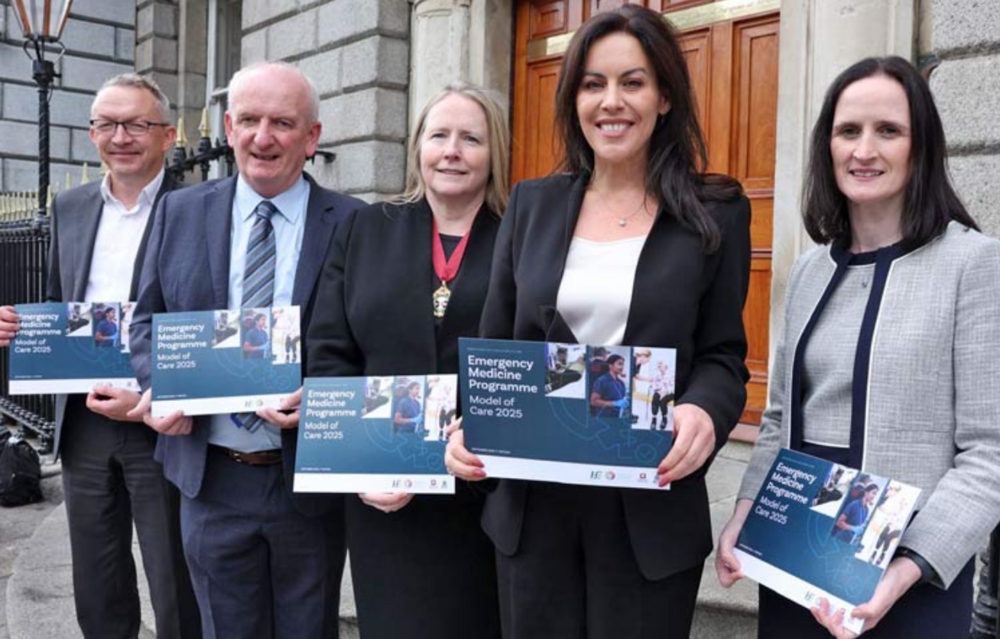
The Health Service Executive (HSE) and the Royal College of Surgeons in Ireland (RCSI) jointly launched the National Clinical Programme for Emergency Medicine Model of Care 2025 in September. This is the most significant update to Ireland’s strategy for delivering urgent and emergency care in more than a decade and highlights a shift towards more proactive and patient-centred approaches to urgent and emergency care and emphasises the importance of “right care, right place, right time”.
Read More
|
|
|
|
|
|
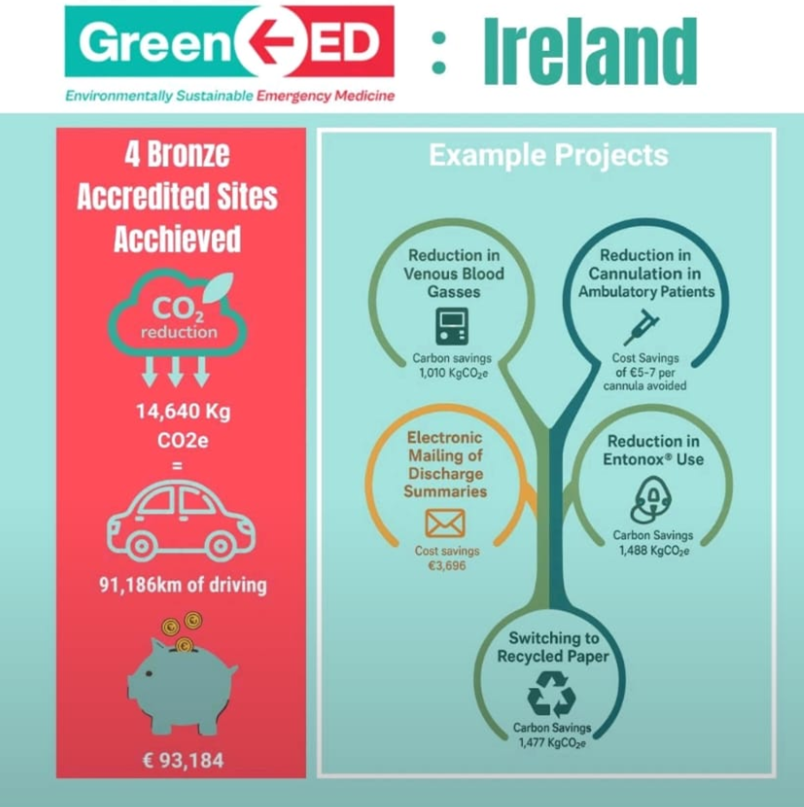
In October 2025, the Health Service Executive (HSE) Climate Action and Sustainability Office and the Emergency Medicine Programme celebrated a major milestone in healthcare sustainability, as four Irish Emergency Care sites have now achieved Bronze status in the Royal College of Emergency Medicine’s (RCEM) GreenED Programme.
Read More
|
|
|
|
|
|
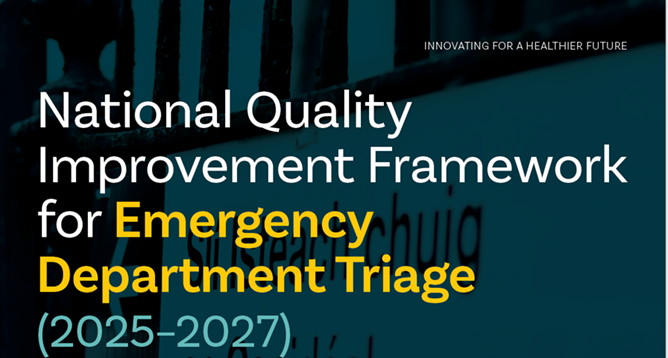
Launched in September 2025, the framework marks one of the most significant reform efforts to the triage process in Irish Emergency Departments.
Read More
|
|
|
|
|
|
|
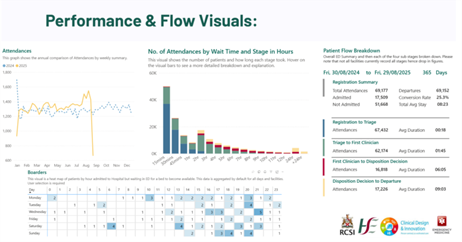
The Emergency Care Activity & Profile (EC-AP) dashboard is a tool developed by the HSE Integrated Information Service (IIS) and the Emergency Medicine Programme (EMP) to support Emergency Departments (EDs) with relevant clinical and managerial data.
Read More
|
| |
|
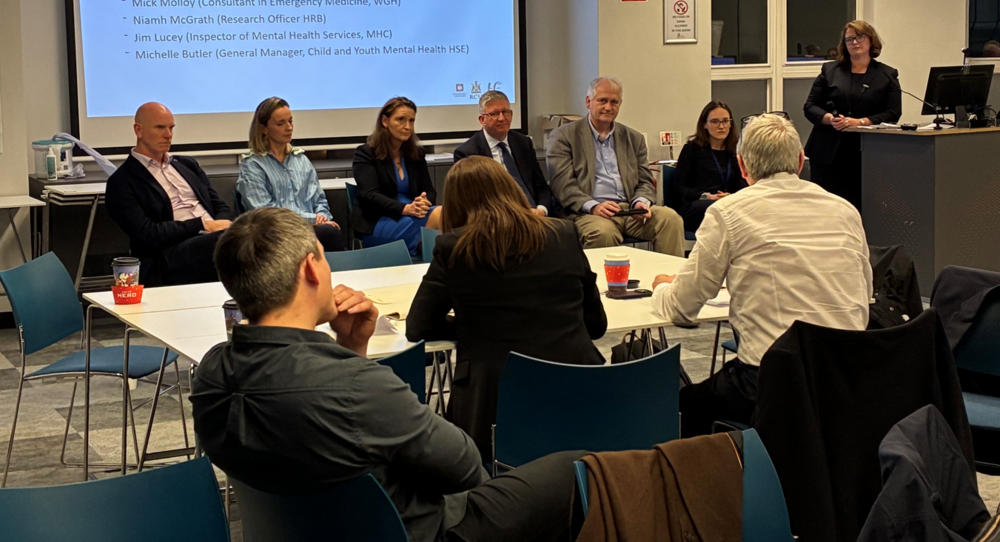
On 10 December 2025, the Emergency Medicine Programme (EMP) hosted The Open Door: Exploring Mental Health Emergency Care in Ireland at the RCSI Mercer Building, bringing together a diverse group of leaders and frontline professionals from emergency, mental health, acute hospital, community, research and policy settings.
Read More
|
|
|
|
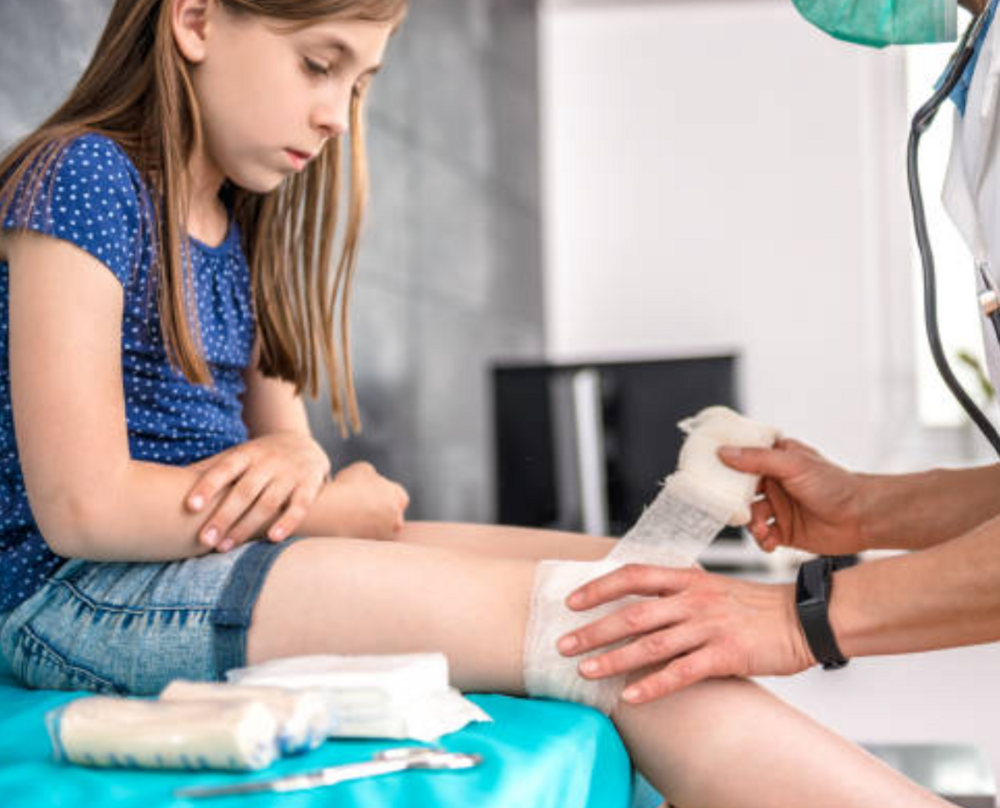
Since their establishment in 2012, Injury Units (IUs) have become a vital bridge between hospitals and local communities, providing timely and quality care. Attendance at IUs increased by 14.6% in 2024/2025, reflecting their growing importance, with plans underway to expand from 14 to 21 units by 2026.
Read More
|
| |
|
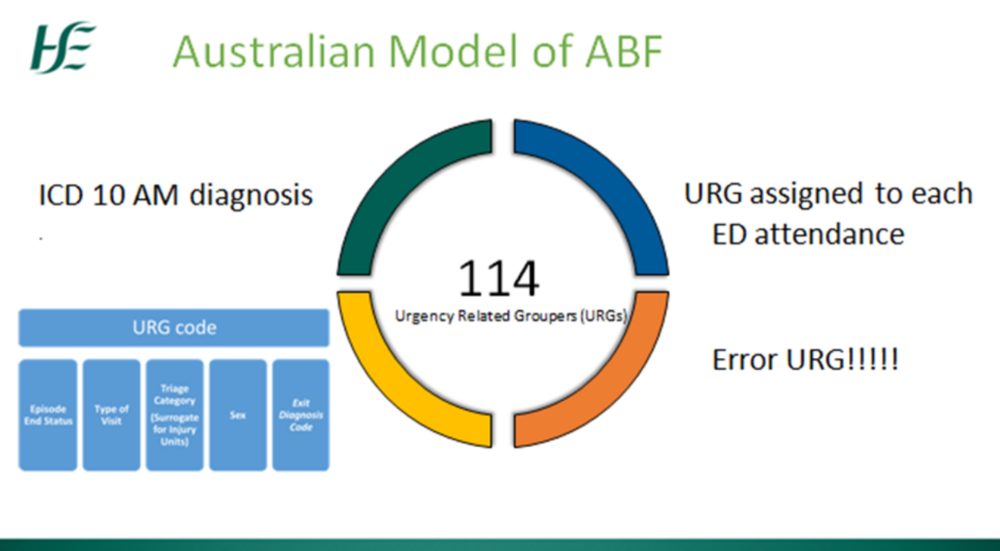
In last year’s newsletter, we explained the benefits of assigning an ICD 10 code to each patient attendance at an ED or Injury Unit and the important role that it plays in assigning an Urgency Related Grouper, for the purposes of Activity Based Funding, to each attendance.
Read More
|
|
|
|
|
|
|
Emergency Departments (EDs) and Injury Units are seeing a steady rise in attendances from older adults, with more than 560 people aged 75 and over presenting every day. To ensure that every older person receives safe, timely and respectful care, regardless of when or where they attend, a new national Quality Improvement Programme (QIP) has been developed.
Read More
|
| |
|
The National Clinical Guideline for the Emergency Early Warning System (EMEWS) was launched in 2018. This was in response to growing concern and evidence (HIQA, 2012) that undifferentiated and undiagnosed patients were deteriorating in overcrowded Emergency Departments (EDs) in the time between triage and waiting for clinician assessment.
Read More
|
| |
|
A New Quality Improvement Framework to Strengthen DSGBV Identification and Response in EDs and Injury Units.
Emergency Departments (EDs) and Injury Units (IUs) are often the first point of contact for people experiencing Domestic, Sexual and Gender-Based Violence (DSGBV).
Read More
|
|
|
|
|
|
|
|
The newly established Paediatric Unscheduled Care Steering Group convened in November for its inaugural meeting under the chairmanship of Ciara Martin. The group brings together representatives from regional hospitals, Children’s Health Ireland (CHI), nursing and medical staff with expertise in paediatrics and emergency medicine, as well as public health and patient interest representatives.
Read More
|
|
 |
|
Other Events and Calls relating to Emergency Medicine
Global Emergency Care Skills Led Training (GECS)
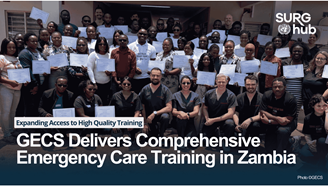
More than sixty emergency care professionals at Solwezi General Hospital benefited from a week of intensive clinical skills training delivered by Global Emergency Care Skills (GECS). The initiative supported emergency and critical care develop
ment in Zambia’s Northwestern Province and highlighted the growing need for accessible high quality training resources, a need that is increasingly met through platforms such as SURGhub.
Interventional Trauma Simulation Study
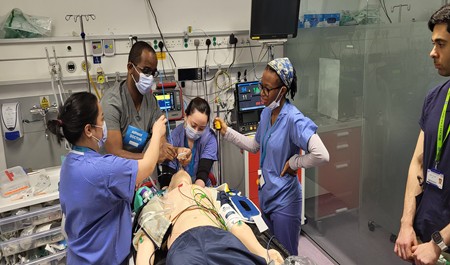
Congratulations to Nikita Vainberg and the team in St. James's on the publication of their study
arising from the Interventional Trauma Simulation Study.
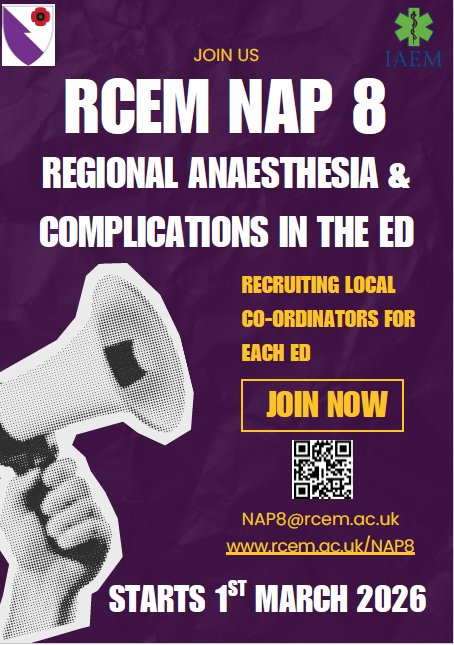
Call for NAP8 Local Coordinators
NAP8: Major Complications of Regional Anaesthesia is the first NAP project led by Emergency Medicine, delivered by RCEM, IAEM and RCoA. It will map current ED regional anaesthesia practice and complications to improve care and patient safety across the UK and Ireland. The project is due to go live on 1st March 2026.
|
|
|
|
|
Charter Day
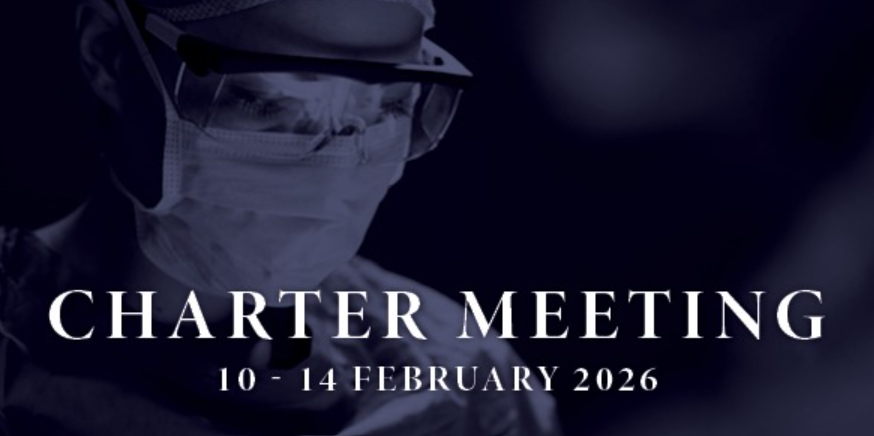
The annual RCSI Clinical Programme Day at Charter Meeting will take place in RCSI on Wednesday, 11th February. Registration is free for the Wednesday event. Please email emp@rcsi.ie and we will notify you when registration is live.
|
|
Looking forward to 2026
For 2026, as well as continuing some of the above projects there are new streams and projects being developed. We plan to deliver a Quality Improvement Project on the management of older adults in the ED. We also plan to update guidance on DSGBV on ED/IU. If you have an idea or particular interest, please talk to the team and see how you can get involved.
All EMP Documents and Resources can be accessed on EMNOW.
If you have any feedback or require any information, please email emp@rcsi.ie
Wishing you all a Very Happy New Year for 2026
|
|
|
|
|