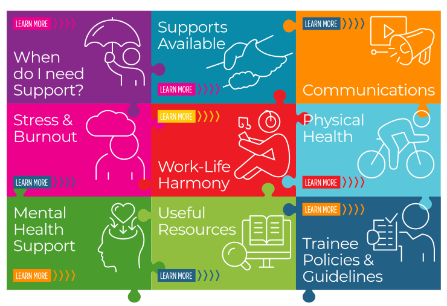
Health and Wellbeing Supports
 

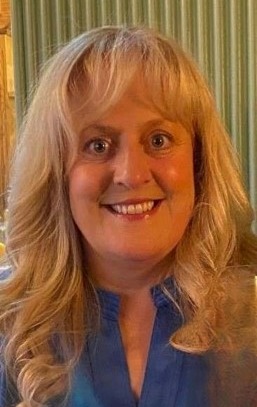
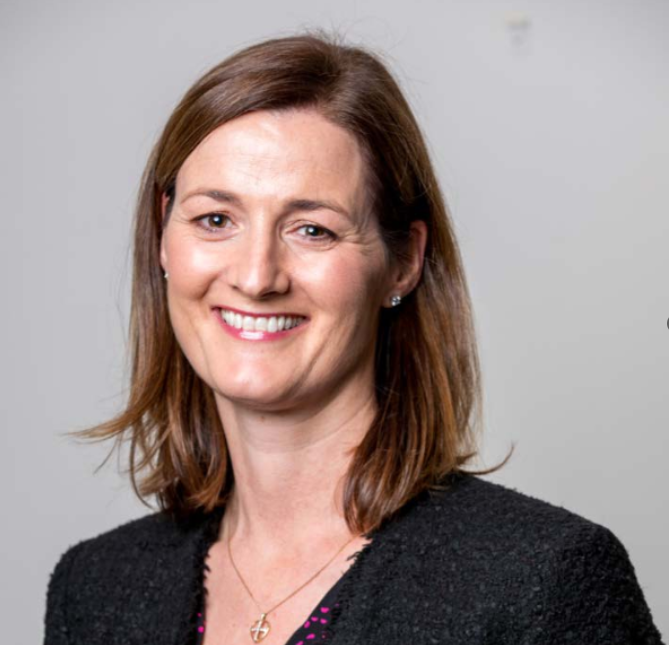
Ms Sinead Dixon, Health & Wellbeing Officer RCSI, Surgical Affairs  


The RCSI has appointed a Health and Wellbeing Officer with the goal of embedding health and wellbeing into all training programmes.  The key objective of this role is to provide support to trainees who may face challenges in their physical, emotional and mental health. 


The Health and Wellbeing Officer can provide support, guidance and referrals pathways and tools to manage stress and will provide a safe, non-judgemental space to discuss any concerns you may have. 


Contact Sinead at wellbeing@rcsi.com 


Emergency Medicine Ultrasound Logbook
#EMDay


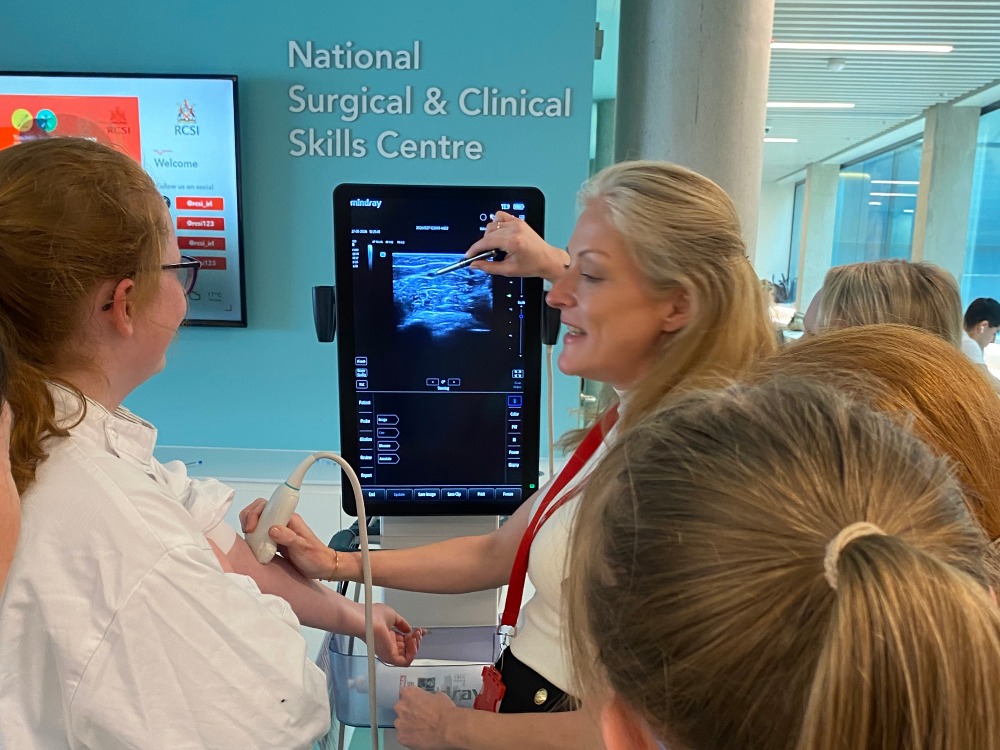
Emergency Medicine training in Ireland is structured, standardised and delivered during core training  to support trainees to achieve competency early. Performing point of care ultrasound is a vital skill for delivering excellence in patient care and a core competency for Emergency Medicine Consultants. 


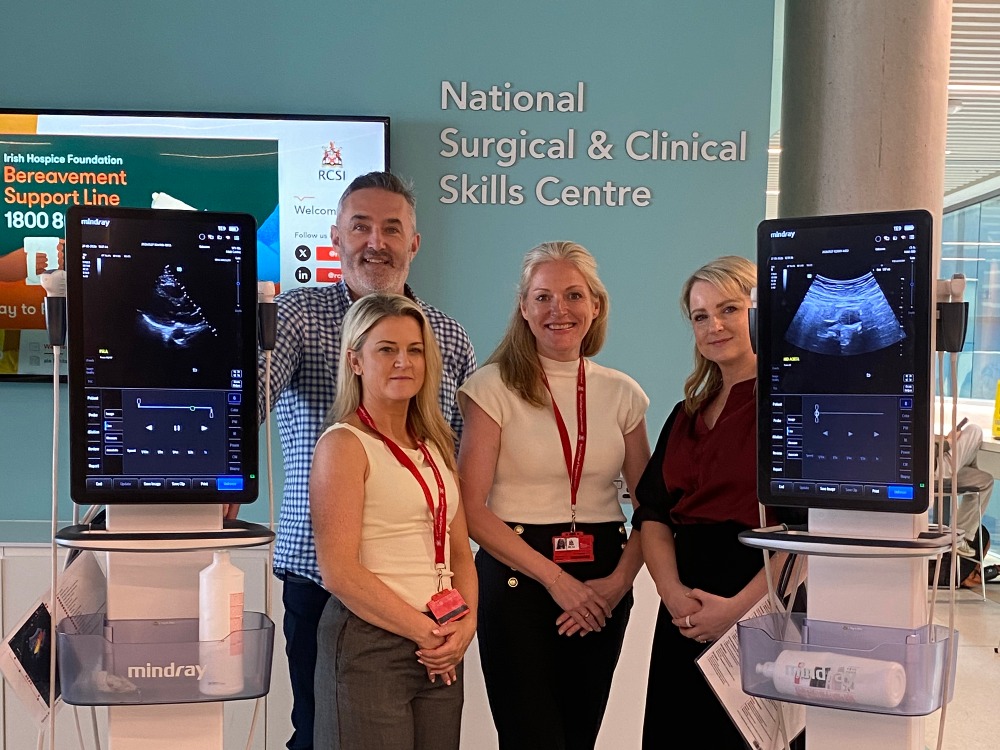
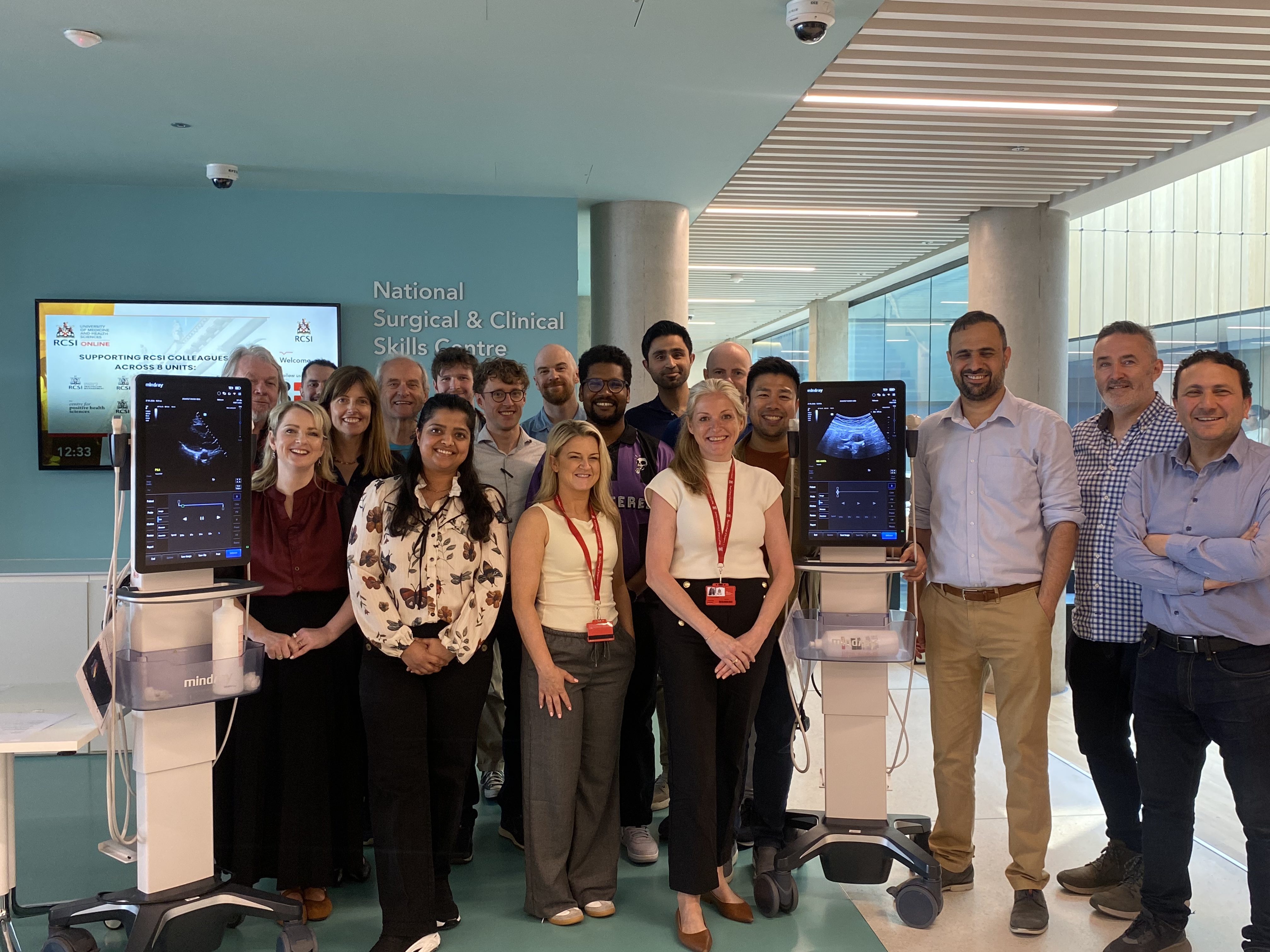
Here in the RCSI we are delighted to have designed and implemented an entirely novel, state of the art, electronic logbook for uploading point of care ultrasound (pocus) scans for review by Emergency Medicine trainers in real time. 


This innovative digital solution was developed by Dr. Victoria Meighan in collaboration with Donncha Ryan, Lisette Biggins, Orla Mockler and the EM Team. This will improve quality and safety standards for trainees, trainers and most importantly patients. 


Emergency Medicine training in Ireland is structured, standardised and delivered during core training  to support trainees to achieve competency early. Performing point of care ultrasound is a vital skill for delivering excellence in patient care and a core competency for Emergency Medicine Consultants.


Training includes core skills; ultrasound of the abdominal aorta, echocardiography, vascular access and extended focused assessment with sonography in trauma (EFAST). Emergency Medicine trainees have a novel, innovative and progressive standardised training programme for ultrasound guided regional anaesthesia since 2021. The ultrasound lead for the Irish Committee for Emergency Medicine Training is Dr Victoria Meighan with support from Ms Lisette Biggins and the EM Team.  


Emergency Medicine Trainer Education and Support


Royal College of Surgeons in Ireland has a number of opportunities for trainers who would like to develop their skills such as Trainer Masterclasses and Advanced Train the Trainer Days at the College.


Trainers play a central role in the success of the training programme, as they are responsible for delivering high‑quality clinical training on site each day.


The support, development, and education of trainers is essential. This priority is also reflected in the Medical Council’s requirement that all Trainers must complete “Training to be a Trainer”.


Many current trainers have undertaken formal trainer‑education programmes during their own training. The RCSI provides a range of opportunities for trainers wishing to further develop their skills, including Trainer Masterclasses and Advanced Train‑the‑Trainer programmes delivered at the College.


For those who have not yet completed a Train‑the‑Trainer programme and wish to become a trainer, the Emergency Medicine programme has developed an online Train‑the‑Trainer course.


This course will be circulated to all trainers in due course.


Update in Recruitment in Emergency Medicine Training


Interest in Emergency Medicine continues to grow. This year, CSTEM received 209 applications, leading to the appointment of 40 new trainees who will start their journey in July. ASTEM recruitment was equally strong, with 38 applicants and 25 trainees now set to advance to the next stage of their training in July. 


New sites accredited for Training


The increase in Trainees applying to Emergency Medicine Specialist Training has led to requirement to increase the number of accredited training posts available in hospitals throughout Ireland. Recent inspections have approved posts in a number of hospitals including Letterkenny. 

The inspection process will continue in 2026 with a view to increasing the number of training places available for the 2027 intake process. 


Introduction from Dr Una Kennedy - National Training Director for Emergency Medicine


Dr Una Kennedy discusses the future of Emergency Medicine training in Ireland, highlighting priorities including workforce expansion, trainee and trainer support, the EM ePortfolio rollout, and preparation for Medical Council accreditation. 


I would like to begin by acknowledging the enormous contribution of Dr Gareth Quin, who, as Dean of the National Emergency Medicine Training Programme (NEMTP), led Emergency Medicine training in Ireland for 17 years. During that time, he has overseen major development and expansion of the CSTEM and ASTEM training programmes and provided outstanding leadership as Chair of ICEMT. His commitment to trainees, trainers, and the specialty has left a lasting legacy, to which we owe a great debt. 


I am honoured to take up the role of National Training Director for Emergency Medicine at a time of both significant opportunity and considerable challenge for our specialty. Emergency Medicine continues to face substantial workforce pressures. Ireland has approximately 226 consultants in Emergency Medicine, while 2024 workforce modelling estimated a requirement of approximately 311 WTE consultants by 2038. At 2024 intake levels, consultant numbers were projected to reach only around 237 by that time. In addition, EM continues to have the highest ratio of non-training scheme doctors relative to both consultant and trainee numbers of all specialties nationally. 


Against this background, my priorities for Year 1 will focus on five key areas: workforce expansion, full rollout of the EM ePortfolio, support and engagement for both trainers and trainees, and preparation for the upcoming Medical Council accreditation of the NEMTP. 


Our workforce strategy focuses on increasing training numbers through conversion of non-training scheme posts into training posts, accrediting new posts and sites, monitoring CSTEM attrition, and supporting Recognition of Prior Learning (“side entry”) pathways. At the same time, maintaining quality in recruitment and the overall training experience will remain essential. We have already made significant progress through our recently completed 2026 recruitment process, increasing CSTEM intake to 40 (from 30) and ASTEM intake to 25 (from 16). 


The full rollout of the trainee ePortfolio is another key priority, with a focus on completing implementation across all level of trainees, gathering structured feedback from trainees and trainers, addressing issues early, and ensuring it functions as a practical tool that supports education, assessment, and professional development, while also enhancing trainer engagement. 


Supporting trainees will remain central to the programme. Priorities include strengthening feedback structures, expanding flexible working arrangements and reducing unnecessary rotations, enhancing supports for parents and doctors returning to work, increasing access to mentorship, promoting wellbeing initiatives, and fostering a stronger sense of community within Emergency Medicine training.  I am also mindful of the evolving nature of Emergency Medicine training and practice. The modern curriculum must prepare future consultants not only as expert clinicians, but also as leaders, educators, and innovators, able to work effectively within increasingly complex healthcare systems. Initiatives such as ASPIRE fellowships, leadership development, and thoughtful engagement with AI integration will all form part of this evolving landscape. Equally, engagement with trainers is vital. A new “Train the Trainer” education programme will be launched in the coming months, alongside broader development supports, improved feedback and evaluation structures, and further recognition of the essential contribution trainers make to the programme. 


An exciting development for the specialty will be the establishment of the Irish Faculty of Emergency Medicine, deepening our relationship with the Irish Association for Emergency Medicine. We will continue to build strong working relationships with the RCSI Surgical Affairs team, the Royal College of Emergency Medicine, and NDTP Regional Leads. The upcoming Medical Council accreditation process will provide an important opportunity to reflect on and further enhance the quality of our training programme. 


I would like to acknowledge the tremendous work of our Vice Deans, Prof John Ryan (ASTEM) and Dr James Binchy (CSTEM), together with the ICEMT Committee, whose commitment continues to strengthen Emergency Medicine training nationally. Finally, sincere thanks to our administrative team, led by Orla Mockler, whose professionalism and dedication are central to the successful running of the programme. 


I look forward to working with trainees, trainers, and our College partners to continue developing a training programme that is ambitious, supportive, and sustainable. I would warmly welcome feedback, ideas, and engagement from colleagues across the programme - please do not hesitate to get in touch.


Emergency Medicine Day - Wednesday, 27 May 2026
Safe Space for Emergency Medicine Teams - Stop Violence Everywhere


Royal College of Surgeons in Ireland supported Emergency Medicine Day on 27 May 2026. This year's theme focuses on 'Safe Space for Emergency Medicine Teams - Stop Violence Everywhere'. 


Emergency Medicine Trainee Spotlight - Dr Conor O'Gara


Dr Conor O'Gara, CSTEM Year 3 speaks on his experience working in Emergency Medicine. 


Introduction & Background 


1. Can you tell us a little about yourself and why did you choose Emergency Medicine as a career? 


I grew up in Boyle, County Roscommon and graduated from TCD in 2019. Following my intern year, I worked in Fiona Stanley Hospital in Perth, Western Australia for 18 months. It was here that I got my first taste for the buzz of EM and realised that this was the career for me. I always had an inclination to try out EM in Ireland and, as such, I came back home to do a standalone year in SJH ED. I had a fantastic time and applied to CSTEM that year. I was fortunate enough to secure a spot on the SJH scheme and haven’t looked back since! 

Funnily enough, my mother was Fergal Hickey’s secretary in Sligo back in the 90s. I’m told that I was brought into the office for a visit when I was about 3 months old. Therefore, I like to think that I’ve demonstrated a keen interest in EM from a very young age! 

Training & Experience


2. What has been the most challenging aspect of your EM training? 


I’d say that the most challenging – and in a way, most rewarding – part of EM training has been learning how to support and lead a team during busy shifts. While seeing your own patients is a core skill for an EM doctor, it’s very much a team sport. Ensuring that your colleagues are well-supported is the best way to keep an ED moving forward, which ultimately optimises outcomes for our patients and ourselves. 


3. Can you describe a typical day as a CSTEM ST3 trainee? 


As I’m currently doing my Anaesthesia rotation in RVEEH, my typical day is quite atypical by EM standards. We start at 07:30 by prepping the drugs and machines before carrying out the pre-op assessments. I spend much of the rest of the day managing GA patients in the pre, intra and post-operative periods. I’m getting excellent airway experience with plenty of intubations and SADs, which I’ve no doubt will really stand to me when I return to EM in July. 


4. What has been the most rewarding time over the past 3 years? 


The most rewarding time over the past 3 years has been the craic and camaraderie which I’ve shared with my colleagues. There seems to be a certain type of person who chooses to work in an Irish ED and as a result we all tend to get along quite well. You could be in the middle of a week of nights with 60 to-be-seen and a full resus, but you’ll find there’s always a box of Offbeat donuts in the tearoom or a bit of craic to be had with a co-worker to brighten your day (or night). 


Skills & Growth 


5. What are the key skills that you think every CSTEM trainee needs to develop? 


By the end of CSTEM, I think that a trainee needs to be able to manage a sick patient and be able to manage and support their junior colleagues in order to run the floor. These are both challenges and, in my view, best tackled at separate times. As such, I’d strongly recommend that first and second-year trainees try to see as many resus patients as possible with Consultant/SpR supervision, so that they’re comfortable with this ahead of stepping up to Reg in third year, when they’ll be expected to discuss patients with SHOs and interns.   


6. How has your confidence as an Emergency Medicine doctor evolved since you started training?


I think that my confidence has grown hugely during CSTEM, in no small part due to the training and mentorship I’ve received over the years. That said, as time goes on, you also start to “know what you don’t know” so it’s always important to never be afraid to phone a friend or ask for help when you need it. 


7. Can you share a case or experience that had a significant impact on you? 


I was on nights with another Reg a couple of years ago and we had a patient in her early twenties come in with ROSC following an OOHCA due to a then-unknown underlying heart condition. While it was a scary pre-alert to receive, the team managed the case well and the patient was discharged a week later, fully neurologically-intact. It was around this moment that I felt that I was getting the hang of EM and that the years of training and study were starting to come together. 


Mentorship & Support 


8. Have you had a mentor who influenced your career? How did they shape your journey? 


I’ve been lucky enough to have had many mentor figures in EM. All of the Consultants at SJH ED have been hugely supportive to me over the past 4 years. I’ve also had the opportunity to work with some brilliant SpRs who have guided me with sage advice and wisdom over the years – Nallasegarampillai Muthalvan (Dr Mak), Orla Kelly, Mo Hamza, Ahmed Al-Rasheed and Vijay Narayanan to name a few. 


9. What advice would you give to medical students considering EM training? 


Go for it! It’s a great specialty. I’d try to get an EM rotation or elective, not only because the ED is a great place to work but also because there’s nowhere else in the hospital where you’ll get such a variety of patient histories, signs and symptoms so in a way it’s a goldmine for exam prep. 


10. How do you support your fellow trainees in difficult times? 


From experience, it’s all too easy to bottle up all of your worries and concerns after a difficult situation, which isn’t a good thing to do. Having a chat with a colleague over a coffee or a pint is often the perfect remedy for this, and something which I always try to encourage when it’s needed. Alongside this, I think it’s important to be flexible. If a colleague needs a swap or needs a shift covered, I’d always try to help them where possible.  


Work-Life Balance & Wellbeing 


11. What strategies do you use to maintain your well-being and mental health? 


I know it sounds clichéd, but trying to eat well, sleep well and do a bit of exercise is a great start. It can take years to build the habits that support this, and is by no means something which I’ve mastered (as evidenced by my slowly-weaning Deliveroo dependency).  


12. How do you balance your personal life with the demands of EM training? 


I think that you have to be strict with your time, and more specifically have to strictly protect your free time. While there’s definitely a degree of ‘extracurricular’ work that you need to do alongside EM training, you do need to be careful not to over-commit and to maintain a healthy and active life outside of work.  

One piece of advice I got from an SpR a few years ago was to always have something to look forward to. Be it a holiday, a night out or even a coffee with a friend; it’s good to always have something positive on the horizon to keep you going. 


13. What do you do to relax and unwind outside of work? 

Running and hiking are the big ones nowadays. Nothing quite clears the head like a weekend trip home to Boyle and a Saturday morning run around the woods at Lough Key Forest Park! 


Future Plans 


14. What changes or advancements in Emergency Medicine excite you the most? 


James Foley gave an excellent talk at the recent IEMTA ASM about the role which AI will play in EM going forward – assisting with note-writing, discharge letters and even triage. I’m excited to see how this tool will become a bigger part of our day-to-day practice (although hopefully not replacing us entirely). 


15. If you could change one thing about Emergency Medicine training, what would it be? 


It’s already happening, but I’d definitely continue to increase the trainee numbers. It’s great to see such huge numbers going for CSTEM year-on-year – this really reflects how EM has become a dynamic, attractive career option. We need to bring as many of these people into the CSTEM/ASTEM pipeline as possible across a variety of training sites so we can ensure a strong EM workforce for years to come. Ultimately, this will improve access to emergency care for patients nationwide. 


Final Thoughts 


16. What’s one piece of advice you wish you had received before starting training? 


Learn to say no! There are only 24 hours in a day and you need to protect your time outside of work. So unfortunately you do have to say no to some of the requests that come your way so you can focus on the stuff that really matters, both in work and outside of it. 


17. If you could give one message to first year trainees, what would it be? 


Get your leave requests in early! The likes of IAEM, EUSEM and the IEMTA ASM are not only great learning opportunities, but also great craic. One of the best parts of EM is the community built around it, and you’ll find that the friendships and support networks you develop during training are just as important as the medicine. 


18. What’s next for you? 

I’ll be starting ASTEM as a first year SpR in Galway ED. Really looking forward to the challenge and getting back over West for the year. 


Online PG Diploma/MSc in Human Factors in Patient Safety - Apply Today
Calling all Emergency Medicine Specialists


Applications for our flexible part-time, inter-disciplinary and online PG Diploma/MSc in Human Factors in Patient Safety are open for September 2026 intake. 


Applications Open - Online PG Diploma/MSc. in Human Factors in Patient Safety - September 2026 intake - Please share with your network. 

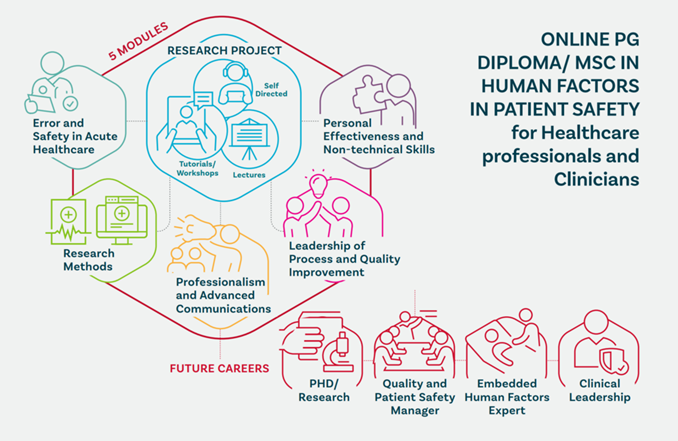
RCSI's Human Factors in Patient Safety programme provides a greater awareness of risk and error in the workplace by providing participants with skills required to mitigate risk and prevent adverse outcomes. 

Our flexible online programme also offers access to an interprofessional team of experts in surgery, psychology, nursing, pharmacy and the related fields of medical ethics, medical litigation, leadership, professionalism and communication, amongst others. 

Scholars will attend online interactive sessions and workshops one day per month. The rest of the multi-disciplinary programme including didactic teaching, discussion boards, reading, and resources are offered online, which you can access it in your own time


If you have any questions, please email us at PostgradSA@rcsi.ie 

Click here to start your application.

We look forward to hearing from you,

Best wishes

Human Factors in Patient Safety Team


Irish Paediatric Emergency Medicine Conference 2026
Wednesday, 11 March 2026


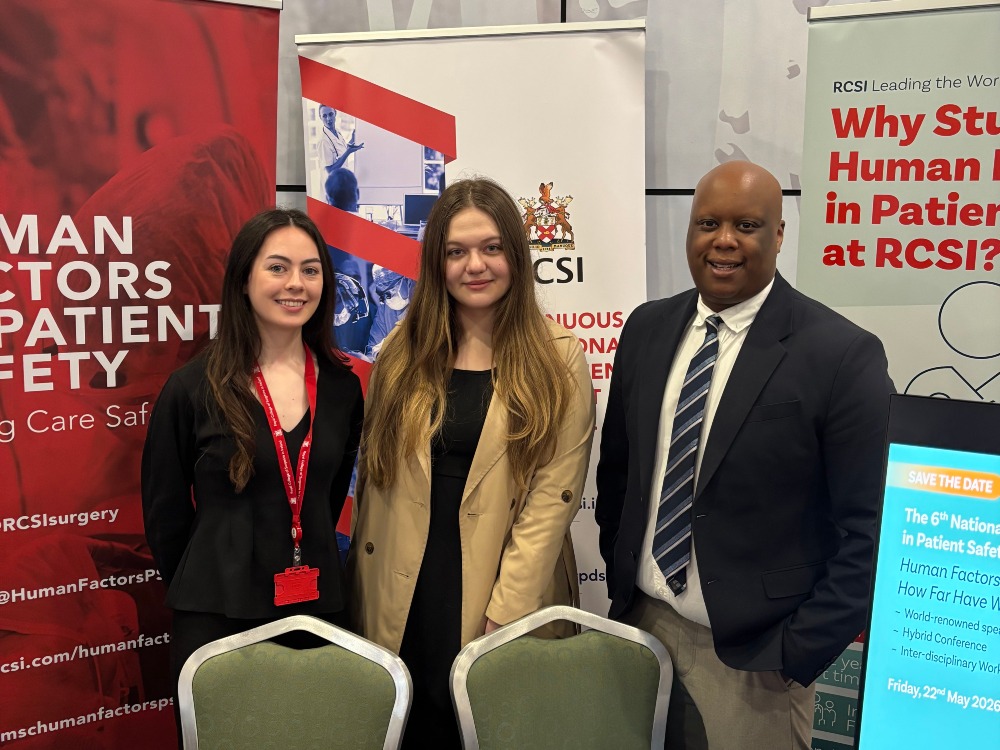
The RCSI Surgery team were delighted to attend this year's Irish Paediatric Emergency Medicine 2026 Conference in the Crown Plaza Hotel, Dublin Airport


The RCSI Surgery team were delighted to attend this year's Irish Paediatric Emergency Medicine 2026 Conference in the Crown Plaza Hotel, Dublin Airport 🏥 It was great to meet and chat to many of who attended


The 6th National Human Factors in Patient Safety Conference
Friday, 22 May 2026


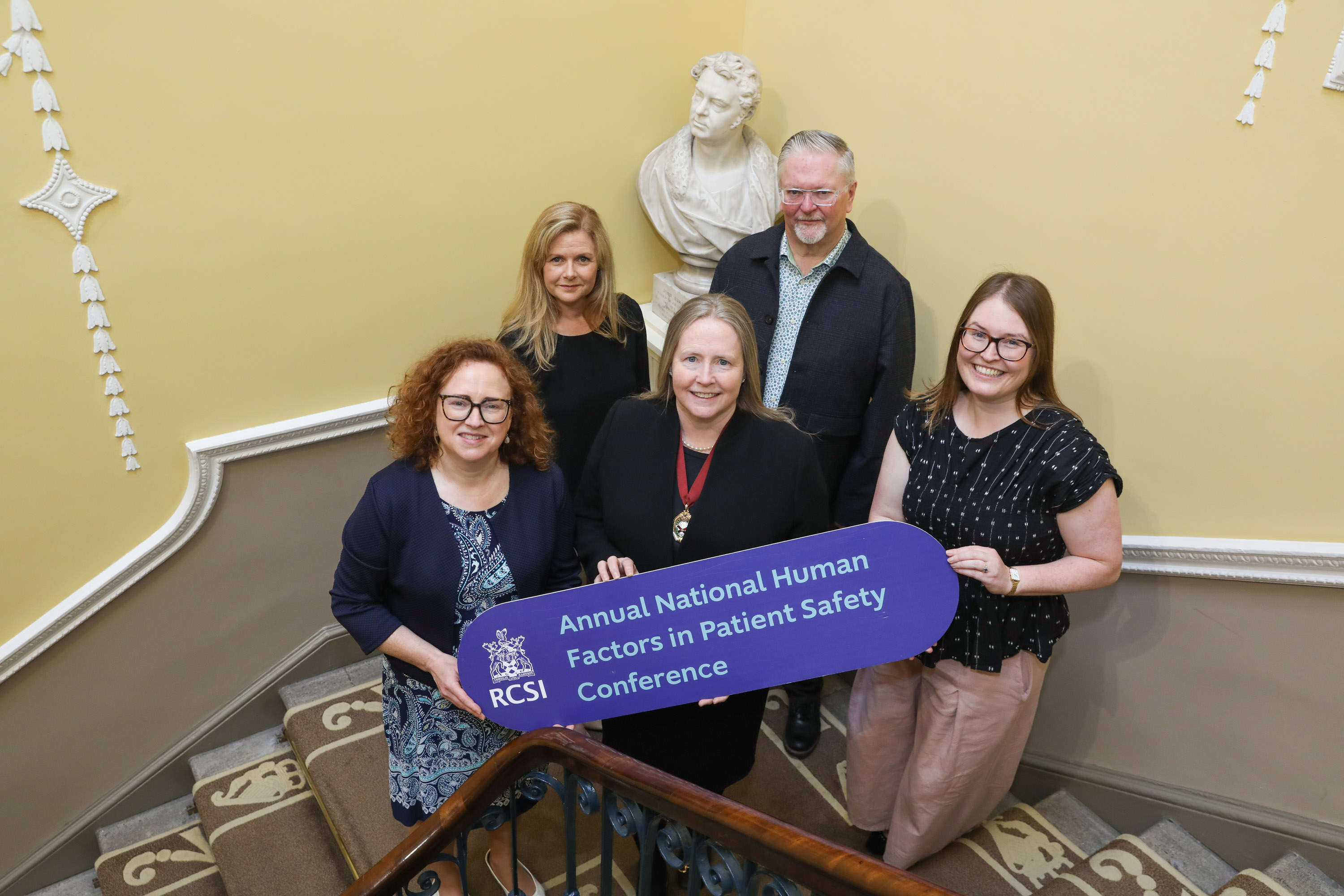
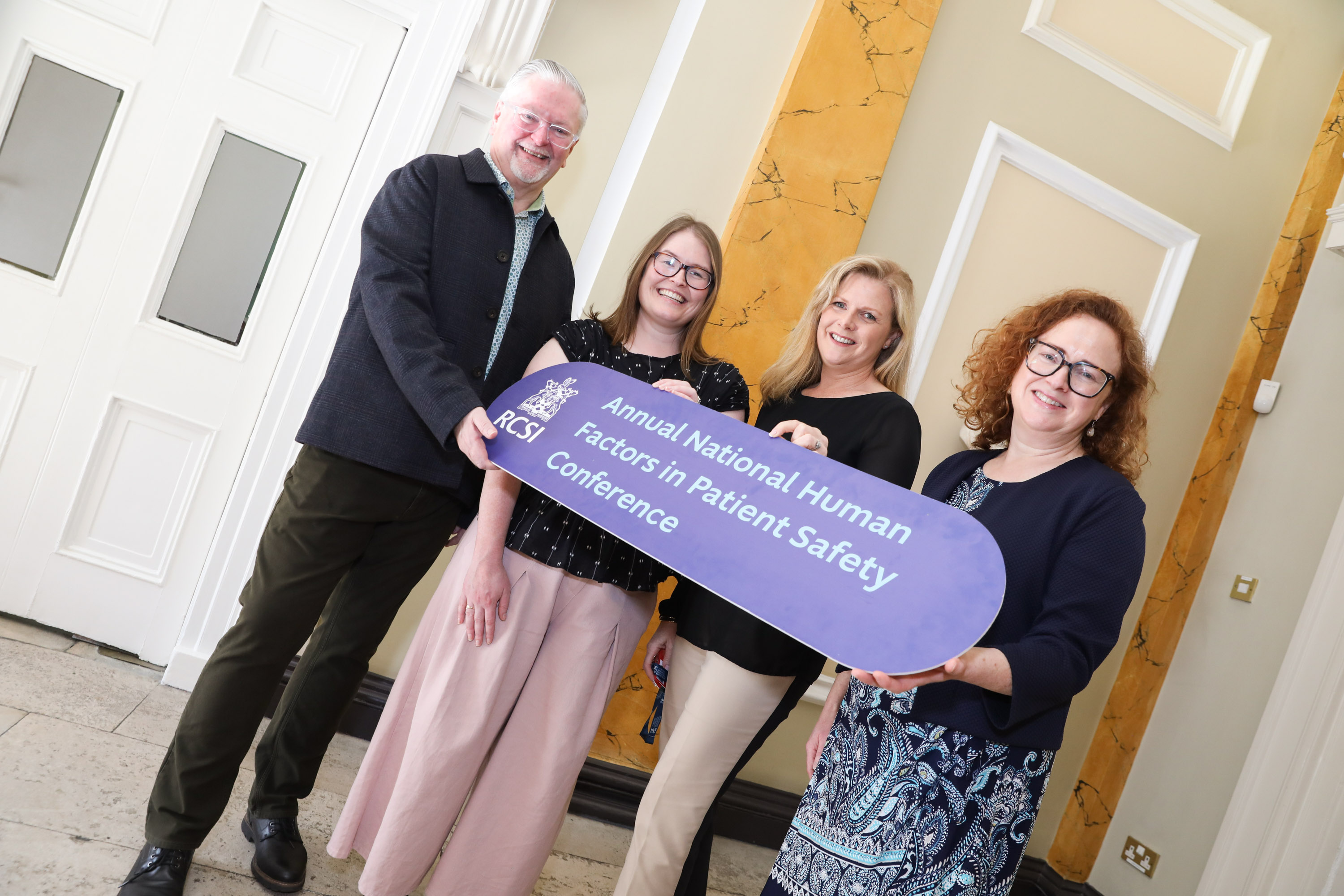
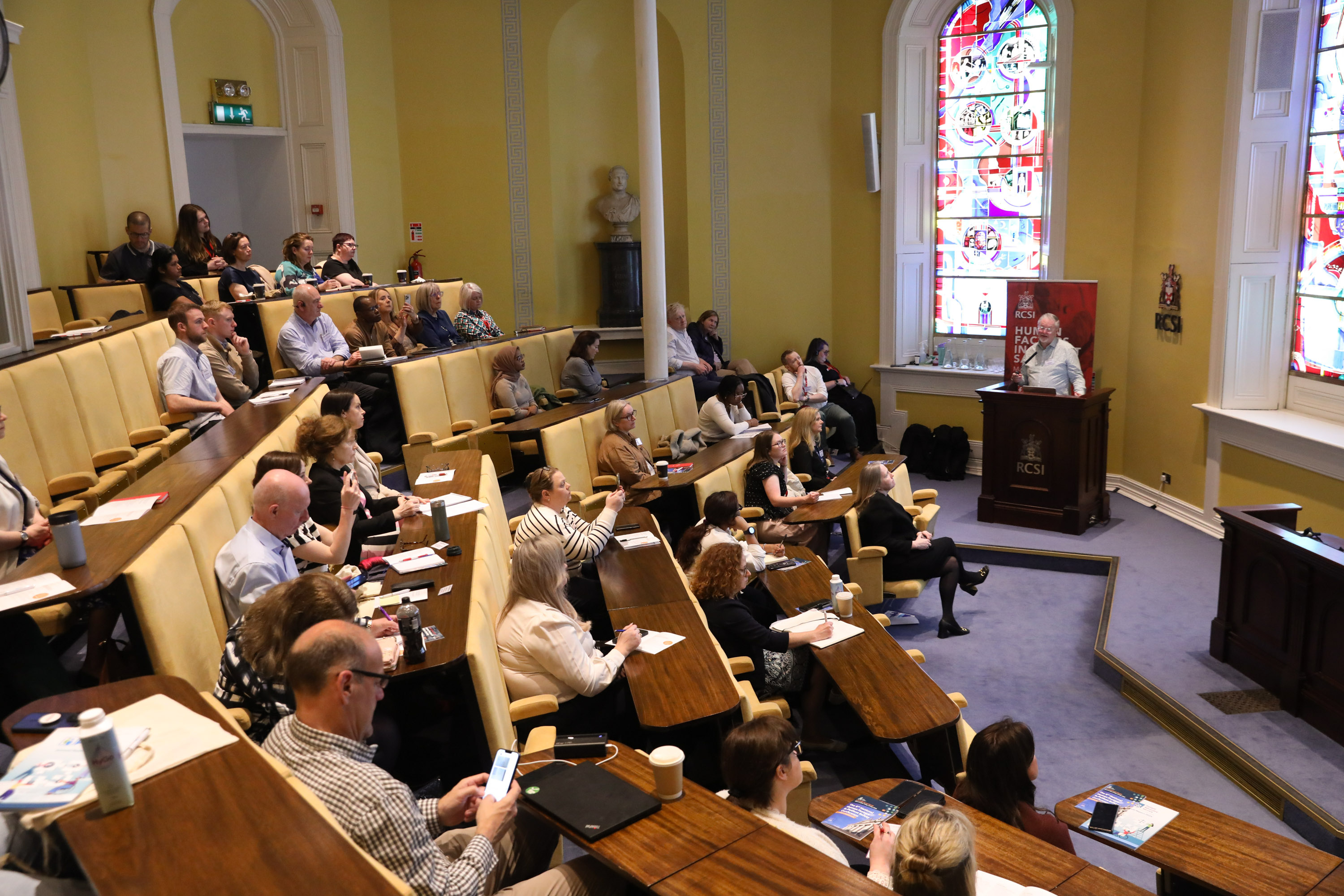
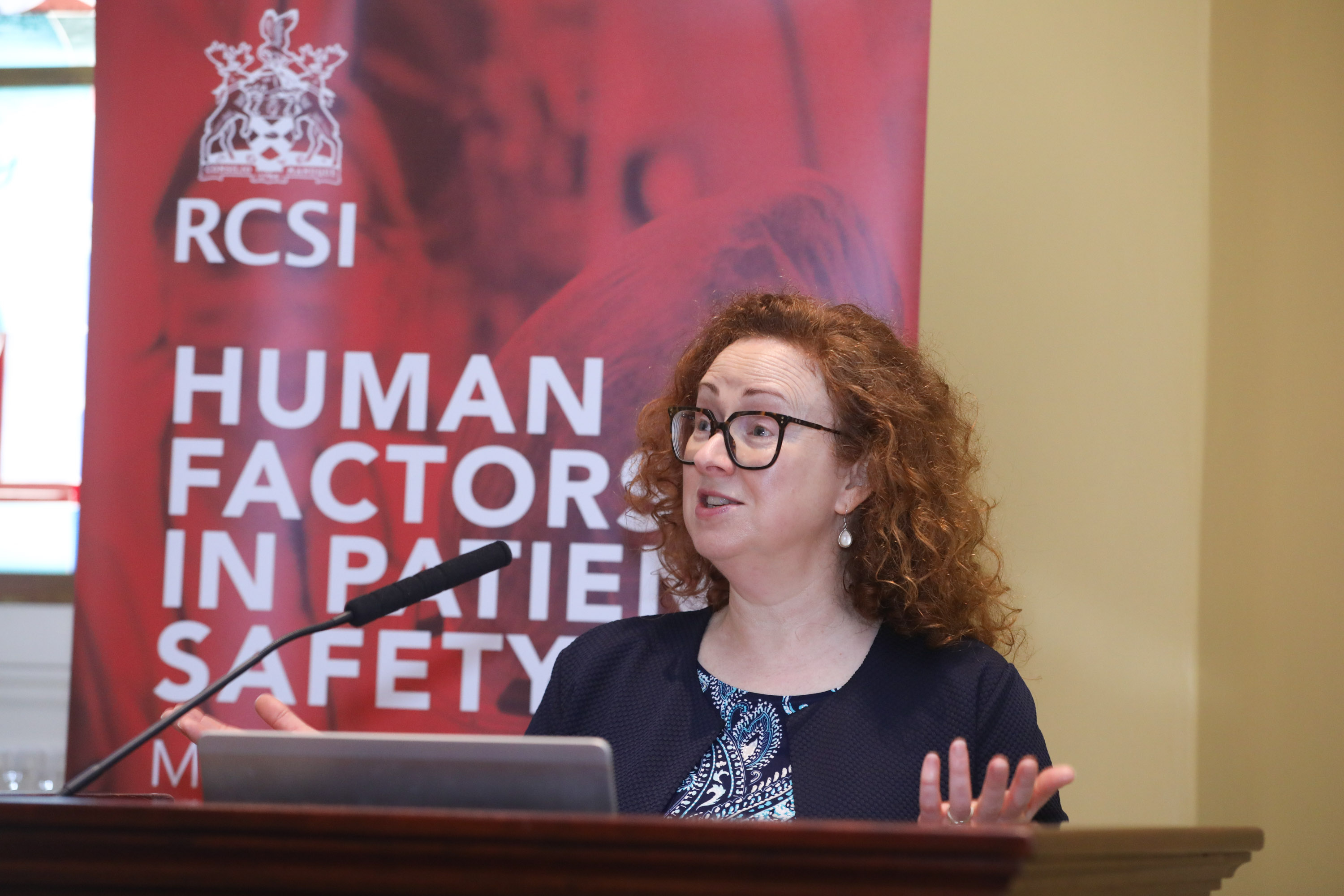
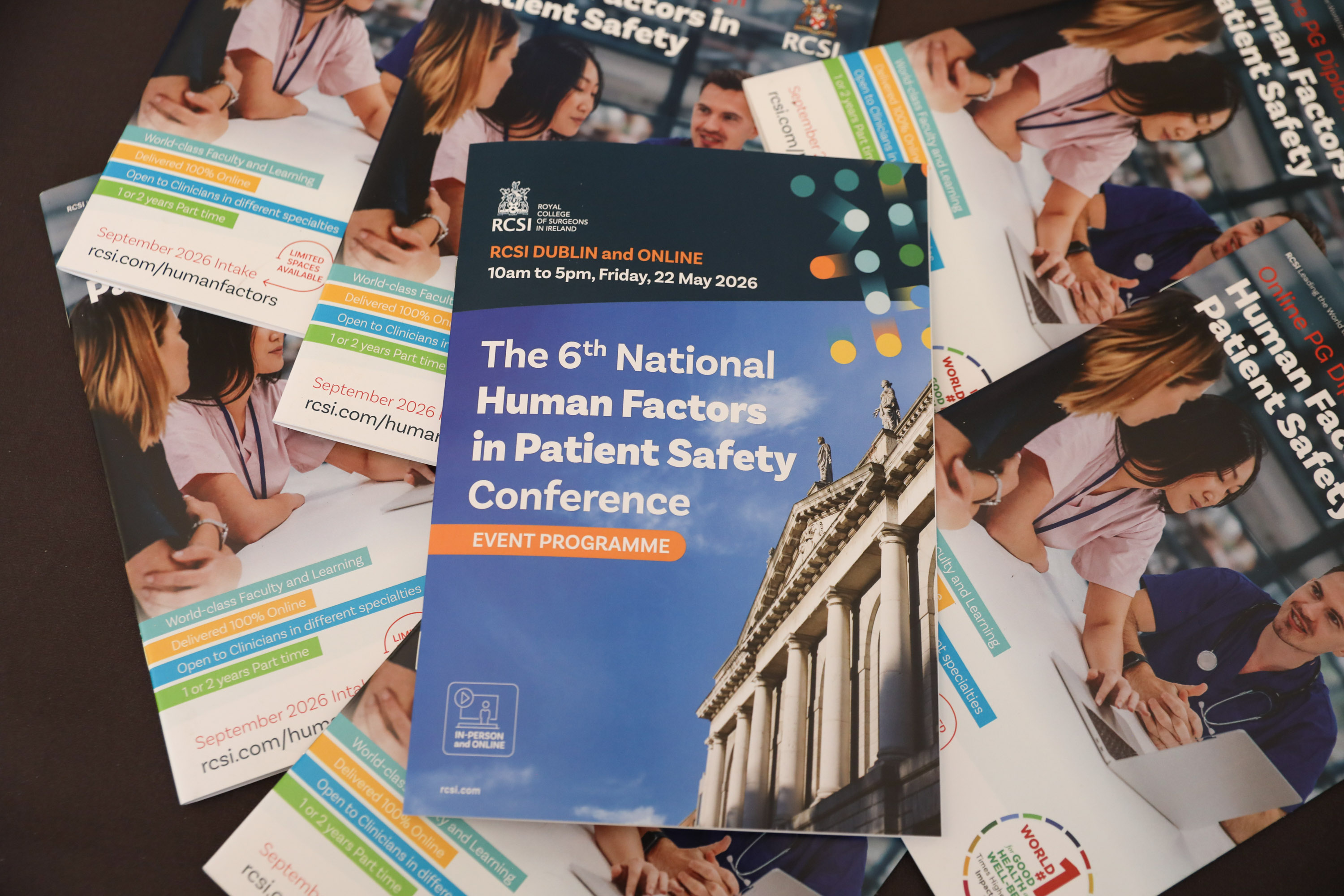
The 6th National Human Factors in Patient Safety Conference took place on Friday, 22 May 2026 bringing together an inter-professional audience from around the world, joining our conference both in person at RCSI and online. 


The 6th National Human Factors in Patient Safety Conference took place on Friday, 22 May 2026 bringing together an inter-professional audience from around the world, joining our conference both in person at RCSI and online. 


Filled with engaging conversations throughout the day, fantastic workshops, and thought-provoking keynote sessions from Prof Mike Fray and Prof Marie Ward, our annual hybrid conversation showcased our thriving Human Factors in Patient Safety community and how much progress has been made within this space. 
 
We would like to thank everyone who attended both in-person and online, our keynote speakers, our co-chairs Dr Emily O'Dowd and Dr Dara O'Keeffe plus the fantastic team behind this years' conference. 


See you all next year! 


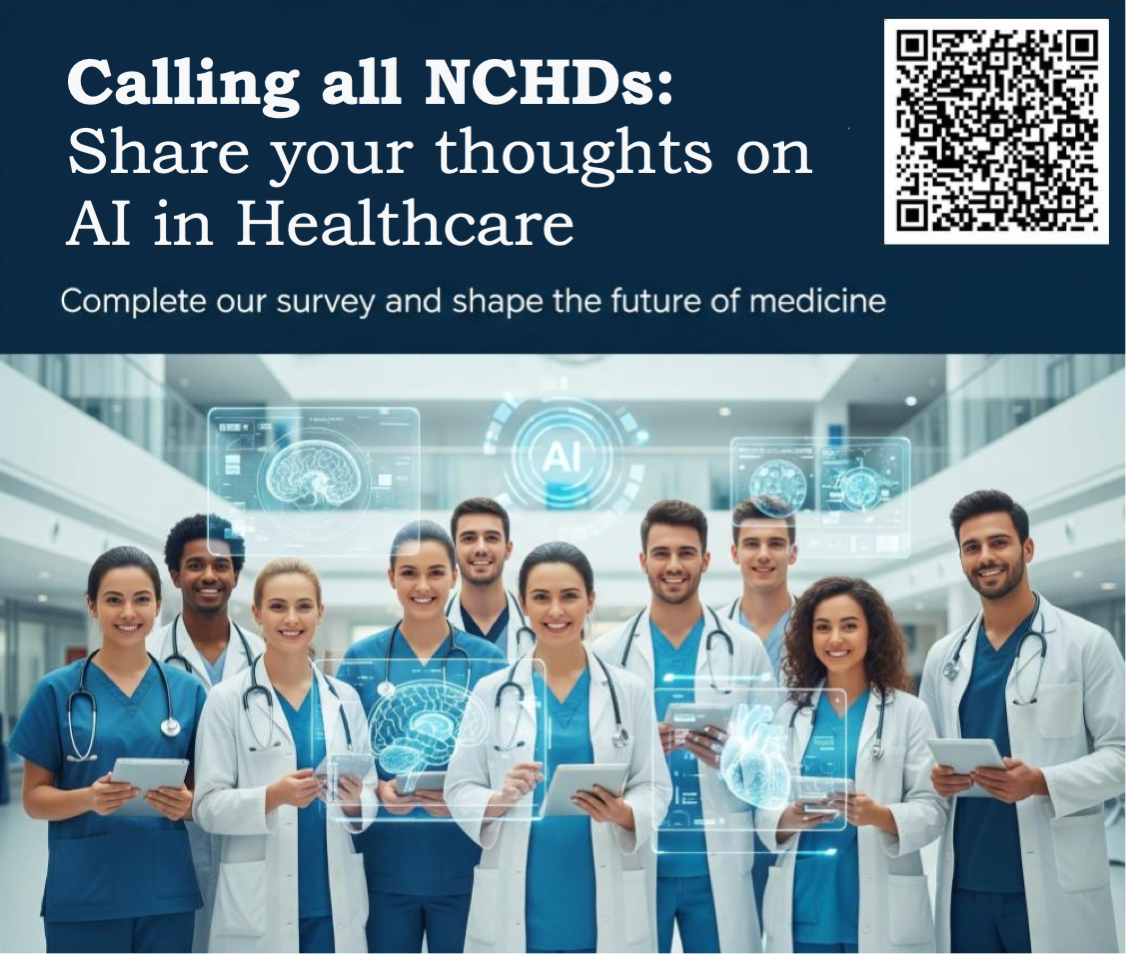
Take Part - NCHD National Survey
All NCHDs are encouraged to submit a response!


As you are an NCHD in Ireland you are being invited to partake in a research study by RCSI, led by Professor Nuala Healy. The study will look at your use of AI, your thoughts on AI in healthcare, and the impact AI has on career selection. Please complete our anonymous 5-minute survey.


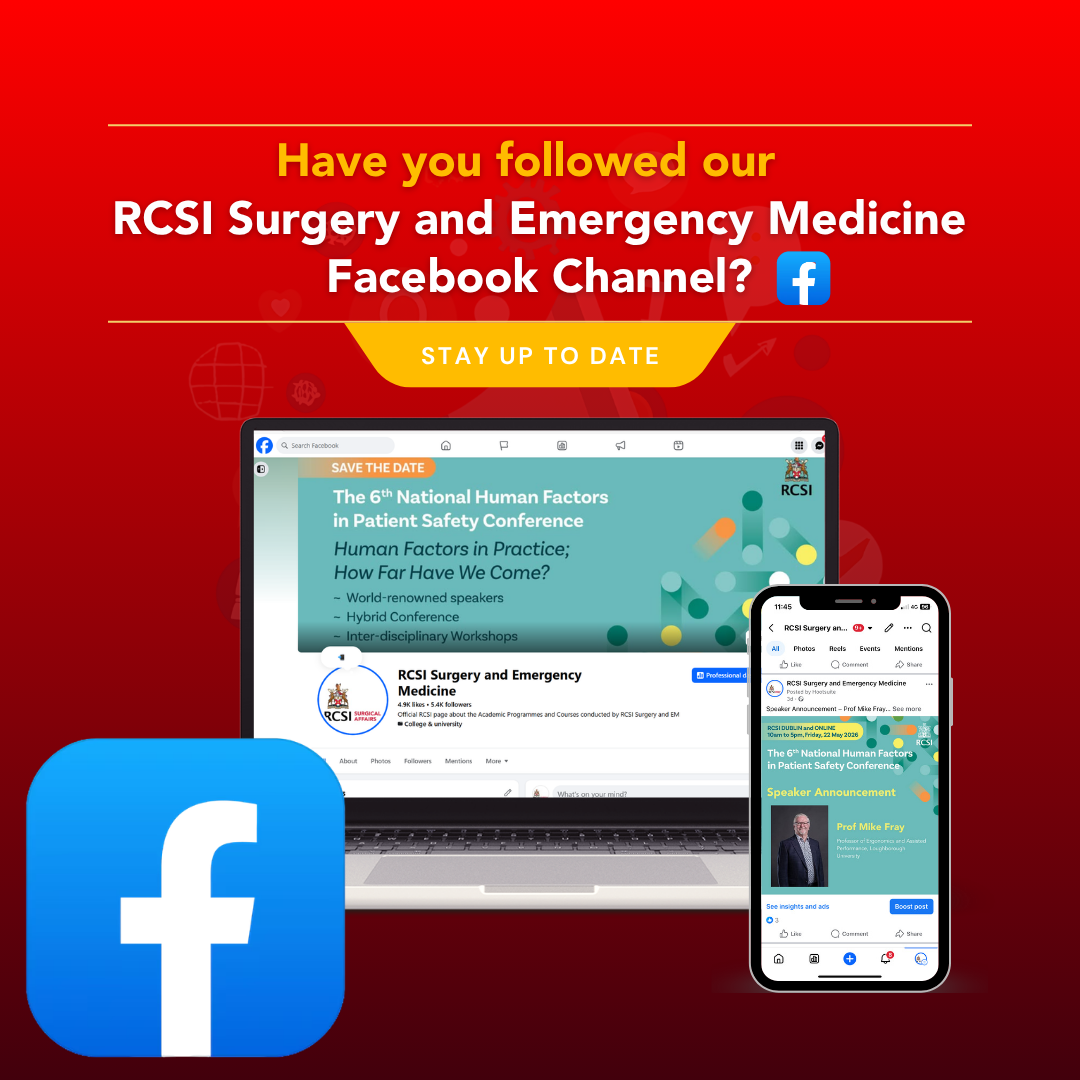
Have you followed our RCSI Surgery and Emergency Medicine Facebook Page?


Stay up to date by following our dedicated RCSI Surgery and Emergency Medicine Facebook Page. 


Contacts for the Emergency Medicine Team at RCSI


A list of all contacts for the Emergency Medicine Team at Royal College of Surgeons in Ireland. 


Dr. Una Kennedy

Director

National Emergency Medicine Training Programme

unakennedy@rcsi.ie 

Ms. Orla Mockler


Operations Manager
National Emergency Medicine Training Programme

omockler@rcsi.ie


T: 086 043 4836

Prof. John Ryan


Vice Dean, Advanced Specialist Training

National Emergency Medicine Training Programme

mariajob@rcsi.ie

Mr. James Binchy


Vice Dean, Core Specialist Training

National Emergency Medicine Training Programme

ankemarquardt@rcsi.ie

Ms. Lisette Biggins


EM Educational Curriculum Administrator

National Emergency Medicine Training Programme


lbiggins@rcsi.ie


T: 01 402-2113

Ms. Anke Marquardt


CSTEM & Simulation Programme Administrator

National Emergency Medicine Training Programme

ankemarquardt@rcsi.ie


T: 01 402-2113

Miss Claire Briant


IAEM Administrator

clairebriant@rcsi.ie


T: 01 402-8606

Ms. Maria Job


Advanced Specialist Training in EM (ASTEM)

National Emergency Medicine Training Programme

mariajob@rcsi.ie


T: 01 402 5237