Strong demand as RCSI’s robotic surgery training programme gets underway
After months of preparation, RCSI’s robotic surgery training programme is now underway. The first two Module 1 courses have been successfully delivered, and the response has been excellent: 15 courses are scheduled between the launch and Christmas, more than 100 people are on the waiting list, and further dates for 2027 are being released. Interest has come from across all stages of surgical training. Particularly encouraging has been the strong demand from established consultants, exceeding our expectations and highlighting the appetite for structured robotic training among surgeons already in practice.
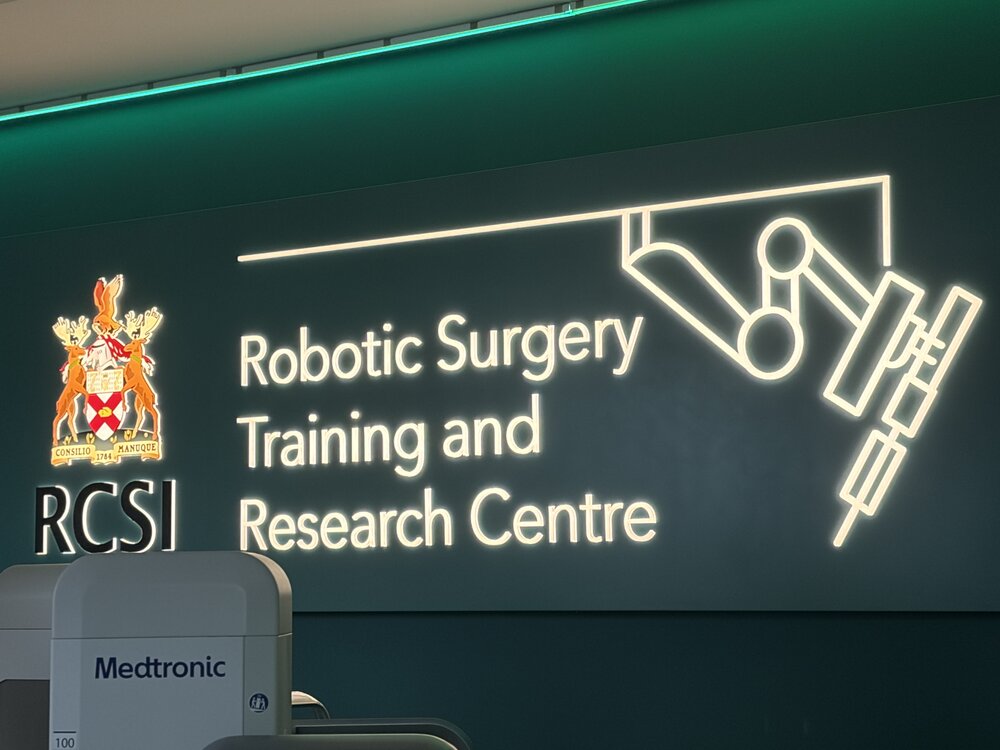
Getting to this point has involved much more than purchasing robots. RCSI’s investment has supported a dedicated training centre with three robotic platforms and staff to run it. Alongside this, faculty have developed and rehearsed practical teaching stations, created an online video library and built the pre-course learning and assessments that underpin the programme. Completing the online preparation in advance gives participants more time for practical learning on the day.
The Certificate in Robotic Surgery brings together three practical modules, online learning and simulator work. Module 1 provides the foundations, from understanding the platforms and bedside assistant role to port placement, introductory technical skills and emergency undocking. Work is now progressing on Module 2, which develops intermediate technical skills, with the advanced Module 3 planned for the following academic year. A dedicated bedside assistant course will also launch in the new year, focusing on instruments, troubleshooting, communication and managing emergencies.
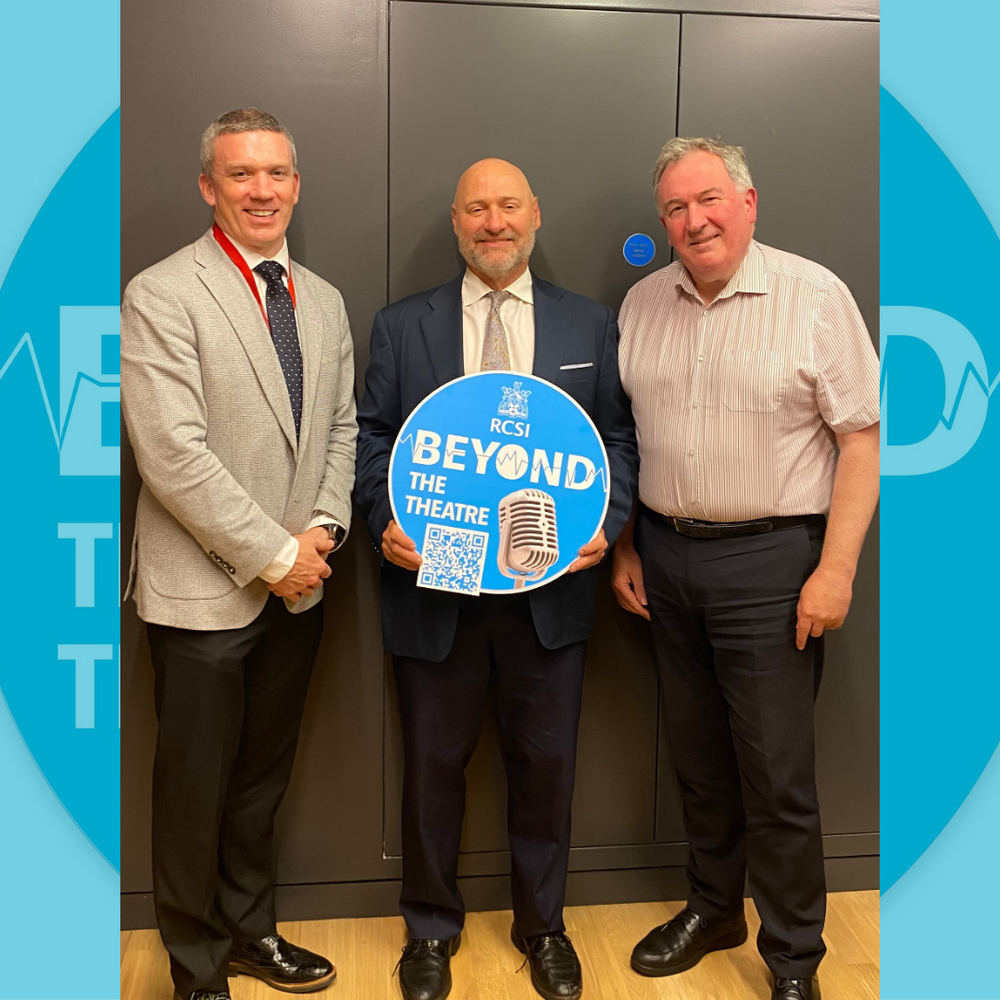
The programme is creating opportunities beyond the certificate itself. Following the robotic partial nephrectomy masterclass at RCSI with Dr Jim Porter, Chief Medical Officer for Robotic Surgical Technologies and Digital Technologies at Medtronic, we are developing clinical and industry collaborations to support further specialty masterclasses. Listen to our podcast with Dr Porter here.
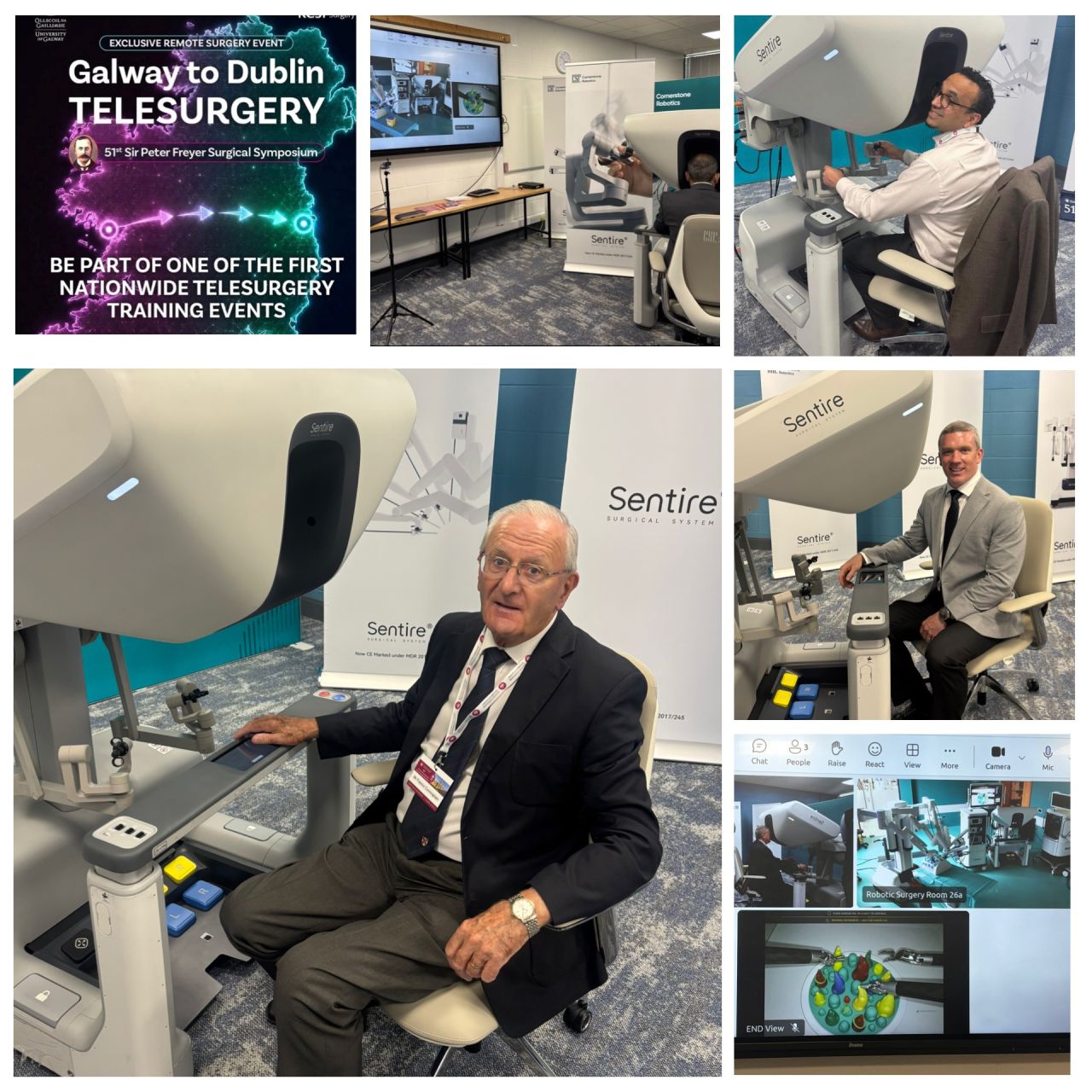
September also saw a telesurgery pilot at the Sir Peter Freyer Symposium: working with the University of Galway and Cornerstone Robotics, a console in Galway controlled a robot at RCSI in Dublin, offering a practical demonstration of the possibilities for remote training.
For 2027, specialist registrar training dates have already been booked with faculty leads in general surgery, urology and thoracic surgery. These sessions will use procedure-specific hydrogel models, funded through the RCSI robotic surgery programme, to give trainees focused opportunities to practise the skills relevant to their specialty.
 Like
Like